Hand Holding Daisy Flowers Embroidery Design Review
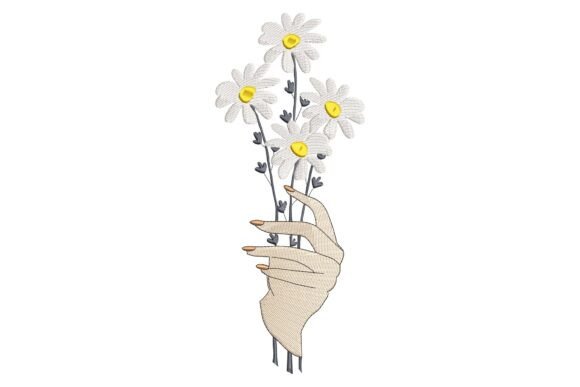
If you're prepping for a weekend craft fair or planning your next Etsy listing, the Hand Holding Daisy Flowers embroidery design is one that demands attention. As an experienced embroidery designer who’s spent years turning digital files into standout handmade products, I’ve seen what works and what doesn’t in a crowded market. This design has a quiet elegance that speaks volumes—especially when displayed right.
A First Impression of Timeless Charm
The moment I unzipped the file for Hand Holding Daisy Flowers, I knew it had potential. The title alone hints at something both delicate and meaningful. Daisies are always popular, but combining them with a hand adds a narrative touch—a sense of care, connection, and intentionality. That emotional resonance is exactly what sets apart great handmade items from forgettable ones.
Visually, this design leans into soft, romantic aesthetics with a touch of farmhouse charm. It feels more elegant than cute, and less rustic than decorative. Its premium look makes it ideal for boutique-style offerings, while still being versatile enough to fit within a wide range of product lines. If you're aiming to elevate your craft fair product lineup, this is a strong contender.
How Hand Holding Daisy Flowers Works on Products
Embroidery designs don’t always translate well across different product types, but Hand Holding Daisy Flowers does. Here's where it shines:
- Tote bags: A large-scale version of this design looks stunning on a natural cotton tote. The daisy motif adds a fresh, spring-ready vibe, perfect for customers shopping for eco-friendly, stylish carryalls.
- Aprons: Placed near the pocket or down the front strap, this design brings a subtle yet charming visual upgrade to everyday kitchen wear. It pairs especially well with linen or canvas aprons.
- Tea towels: When stitched in pastel thread colors, the design becomes a gentle focal point. Just be mindful of fabric texture; thick or highly textured towels may muffle some of the finer details.
- Caps and hats: Smaller versions can work beautifully on curved surfaces like baseball caps. However, you’ll need to adjust placement carefully and ensure the stitch density is just right to avoid puckering.
- Embroidered patches: This design can be converted into a patch with ease, making it a hit among Cricut users and those looking for quick-to-sew embellishments.
- Fabric pouches and pillow covers: These smaller items benefit from the design's clean layout. Whether centered or placed along the edge, it adds a touch of sophistication without overwhelming the piece.
- Market bags and gift wrap: For those selling reusable or festive items, this design adds a personal touch that can justify a higher price point.
As a machine embroidery design, it balances detail with simplicity. You won’t lose yourself in tiny elements, but there’s enough depth to show off your stitching skills. This makes it ideal for booth samples—just one stitched item can catch the eye of a customer and spark interest in the rest of your collection.
What Makes It Sell?
When setting up a craft fair booth, visual appeal is everything. Hand Holding Daisy Flowers stands out not because it’s loud or flashy, but because it’s inviting. Customers notice it quickly—it conveys warmth and artistry, which are key traits for handmade products.
This design also plays well with branding. If your shop focuses on bouquets and bunches themes, it fits seamlessly. But even if your brand is broader, its versatility allows it to adapt to various styles and color palettes. As an embroidery business owner, I appreciate how it elevates the perceived value of otherwise simple items.
Production and Selling Practicality
One of the most important factors for any handmade product is how easy it is to produce consistently. Hand Holding Daisy Flowers checks several boxes here:
- Easy to understand at a glance: The design is clear and intuitive, making it easy to place correctly on fabric without confusion.
- Flexible scale: It works equally well as a small accent (like on a cap) or a large focal design (such as on a tote bag). Test it on different sizes to see what suits your product best.
- Photogenic: When stitched on light-colored fabrics like white or beige, the design photographs beautifully—ideal for boosting your Etsy listings or social media presence.
- Repeatable for batch production: With consistent results, this design is reliable for creating multiple units, whether you're preparing for a big order or a full booth setup.
However, keep in mind that dense stitch areas could lead to stiffness in the fabric, especially on thin materials. Always test the design on scrap fabric before committing to a full run. Also, if using dark-colored fabrics, choose thread colors that provide enough contrast to maintain the design’s clarity and beauty.
Use Caution with These Elements
- Dense stitch areas: Some parts of the design may require extra stabilizer to prevent distortion, especially on stretchy or lightweight fabrics.
- Tiny details: While these add character, they might get lost on very small items or when printed in low resolution for mockups.
- Thick or textured fabric: Stitching on denim, burlap, or linen will alter the appearance slightly—test first to ensure the outcome is desirable.
- Curved surfaces: On caps or curved pouches, slight warping or stretching could occur. Use a curved-cap-specific hoop if available.
- Small lettering or text: If the design includes subtle text or script, confirm legibility at your chosen size before mass production.
Design Notes for Real-World Success
Before turning Hand Holding Daisy Flowers into a commercial embroidery product, here are some steps I recommend:
- Test on scrap fabric: Try stitching the design on different materials to assess how it behaves under pressure and tension.
- Check thread contrast: Especially important for online sales—poor contrast can make your handmade product look amateurish in photos.
- Review spacing and alignment: Ensure there’s enough breathing room around the design so it doesn’t feel cramped or cluttered.
- Confirm hoop size requirements: Though the product description mentions it’s suitable for hoop embroidery, double-check the actual dimensions needed for optimal results.
- Inspect stitch density: Adjust settings if necessary to avoid puckering or uneven coverage.
- Use the right stabilizer: This is crucial for maintaining shape and preventing slippage during stitching.
- Create a real mockup: Even if you’re using a printable mockup for online listings, a physical sample helps you judge quality and presentation better.
- Compare fabric colors: Not every background will highlight the design effectively. Play with color variations to find what sells best.
- Confirm commercial licensing: If you plan to use this in your small shop product line, ensure the digital embroidery file comes with the right permissions for resale.
Boosting Booth Display and Buyer Engagement
In a craft fair setting, Hand Holding Daisy Flowers can become a conversation starter. When paired with high-quality fabrics and thoughtful packaging, it enhances the overall handmade quality of your display. It’s particularly effective on items like tea towels or pillow covers—where the design can be easily seen and appreciated up close.
For digital sellers, the design is a valuable asset. It’s detailed enough to feel special but not so intricate that it complicates digitizing or reselling. As part of a cohesive collection, it contributes to brand consistency and reinforces a theme of natural beauty and gentle craftsmanship.
Final Thoughts for Craft Fair and Digital Sellers
The Hand Holding Daisy Flowers embroidery design is a solid choice for anyone aiming to create appealing, high-quality craft fair products. Its elegant simplicity and adaptability make it a strong performer across a variety of items—from tote bag designs to apron embroidery and beyond. Just remember to consider the practical aspects of production and presentation to maximize its impact.
Whether you're an Etsy seller, a boutique maker, or running a seasonal pop-up, this design has the potential to draw in buyers and build trust in your handmade shop’s aesthetic. And in a market where customers are constantly searching for unique, quality-made items, that kind of attention is gold.